
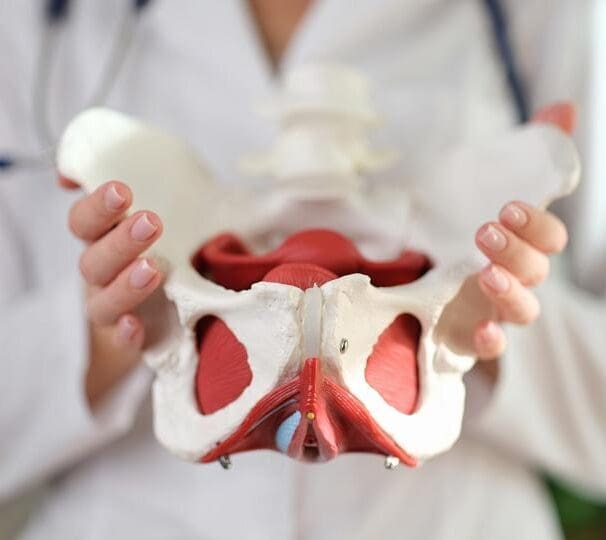
HealthProviders DB is a comprehensive database of healthcare providers, including a complete directory of all Urogynecology and Reconstructive Pelvic Surgeons.
Urology Healthcare Taxonomy Code 2088F0040X
As of today, the following are the total number of Urogynecology and Reconstructive Pelvic Surgeons nationally, in your State, and near your location.
Select a State below to view the list by State. Additionally, you can narrow the list by city, among other options, from the Filter Panel, which you can open by clicking the vertical ellipses ⋮ in the upper right corner of the app.
Alaska – Alabama – Armed Forces Pacific – Arkansas – American Samoa – Arizona – California – Colorado – Connecticut – District of Columbia – Delaware – Florida – Federated States of Micronesia – Georgia – Guam – Hawaii – Iowa – Idaho – Illinois – Indiana – Kansas – Kentucky – Louisiana – Massachusetts – Maryland – Maine – Marshall Islands – Michigan – Minnesota – Missouri – Northern Mariana Islands – Mississippi – Montana – North Carolina – North Dakota – Nebraska – New Hampshire – New Jersey – New Mexico – Nevada – New York – Ohio – Oklahoma – Oregon – Pennsylvania – Puerto Rico – Palau – Rhode Island – South Carolina – South Dakota – Tennessee – Texas – Utah – Virginia – Virgin Islands – Vermont – Washington – Wisconsin – West Virginia – Wyoming
Medicare & Medicaid Exclusions
The following are the total number of Urogynecology and Reconstructive Pelvic Surgeons who accept Medicare in your State, the number who have opted out of Medicare, and the total number excluded from participation in Medicare nationwide.
The diagram below shows all the Urogynecology and Reconstructive Pelvic Surgeons across the country, represented by blue bubbles. The larger the bubble, the greater the concentration of providers in that area. Red bubbles represent Medicare-excluded providers, with the larger bubbles indicating a higher percentage of excluded providers in that region. You can change the bubble size to be based on exclusions from the Size menu.
What do Urogynecology and Reconstructive Pelvic Surgeons do?
Urogynecology and reconstructive pelvic surgeons diagnose and treat female pelvic floor disorders through both non-surgical and surgical methods.
They manage conditions like urinary and fecal incontinence, pelvic organ prolapse, and congenital anomalies, using treatments ranging from pelvic floor physical therapy and medication to surgical interventions like slings, prolapse repair surgery, and minimally invasive laparoscopic or robotic-assisted surgeries.
Conditions treated
Pelvic organ prolapse: When pelvic organs like the bladder, uterus, or rectum drop from their normal position.
Urinary incontinence: Including stress, urgency, and overflow incontinence.
Fecal incontinence: Involuntary loss of stool.
Urinary and fecal fistulas: Abnormal connections between organs, such as a vesicovaginal or rectovaginal fistula.
Overactive bladder syndrome: A condition causing a sudden urge to urinate.
Birth injuries: Damage to the pelvic floor from childbirth.
Congenital anomalies: Birth defects of the lower reproductive tract.
Complications from previous surgeries: Such as post-hysterectomy prolapse or issues with mesh from prior surgeries.
Treatment methods
Minimally invasive surgery: Laparoscopic or robotic-assisted surgery for prolapse and other conditions.
Nonsurgical:
- Pelvic floor physical therapy
- Pessary use
- Biofeedback
- Medications
- Lifestyle changes
Surgical:
Slings: To treat stress urinary incontinence by supporting the urethra.
Prolapse repair: Restoring pelvic organs to their normal position, sometimes involving stitches, mesh, or your own tissue.