
HealthProviders DB is a comprehensive database of healthcare providers, including a complete directory of all SNF/Subacute Care Registered Respiratory Therapists.
Registered Respiratory Therapist Healthcare Taxonomy Code 2279S1500X
As of today, the following are the total number of SNF/Subacute Care Registered Respiratory Therapists nationally, in your State, and near your location.
Select a State below to view the list by State. Additionally, you can narrow the list by city, among other options, from the Filter Panel, which you can open by clicking the vertical ellipses ⋮ in the upper right corner of the app.
Alaska – Alabama – Armed Forces Pacific – Arkansas – American Samoa – Arizona – California – Colorado – Connecticut – District of Columbia – Delaware – Florida – Federated States of Micronesia – Georgia – Guam – Hawaii – Iowa – Idaho – Illinois – Indiana – Kansas – Kentucky – Louisiana – Massachusetts – Maryland – Maine – Marshall Islands – Michigan – Minnesota – Missouri – Northern Mariana Islands – Mississippi – Montana – North Carolina – North Dakota – Nebraska – New Hampshire – New Jersey – New Mexico – Nevada – New York – Ohio – Oklahoma – Oregon – Pennsylvania – Puerto Rico – Palau – Rhode Island – South Carolina – South Dakota – Tennessee – Texas – Utah – Virginia – Virgin Islands – Vermont – Washington – Wisconsin – West Virginia – Wyoming
Medicare
The following are the total number of SNF/Subacute Care Registered Respiratory Therapists who accept Medicare in your State, the number who have opted out of Medicare, and the total number excluded from participation in Medicare nationwide.
The diagram below shows all the SNF/Subacute Care Registered Respiratory Therapists across the country, represented by blue bubbles. The larger the bubble, the greater the concentration of providers in that area. Red bubbles represent Medicare-excluded providers, with the larger bubbles indicating a higher percentage of excluded providers in that region. You can change the bubble size to be based on exclusions from the Size menu.
What do SNF/Subacute Care Registered Respiratory Therapists do?
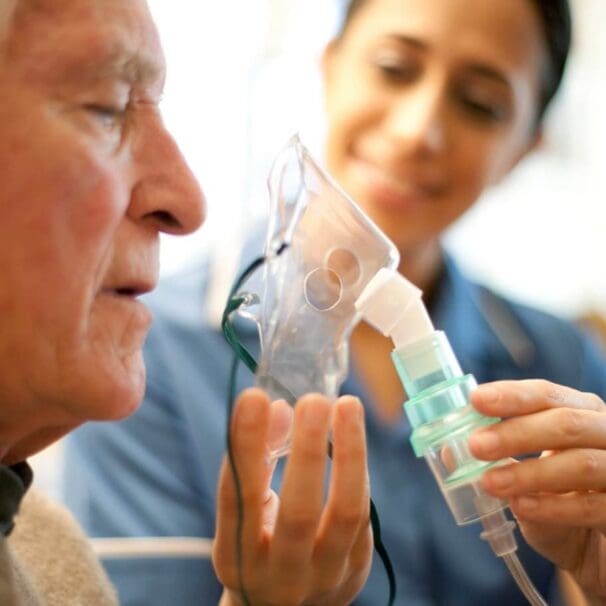
In a SNF/Subacute Care setting, Respiratory Therapists (RTs) provide specialized care for patients with breathing disorders, focusing on ventilator management, tracheostomy care, administering therapies like oxygen and aerosolized medications, clearing airways, and educating patients for safe discharge.
They monitor respiratory status, perform diagnostic tests, and manage equipment to ensure patients’ respiratory stability, transitioning them towards self-management or discharge home.
What they do
Ventilator & Airway Management: They manage, assess, and maintain mechanical ventilators and tracheostomies, including cleaning and ensuring proper function and patient position.
Respiratory Therapists: RTs administer various treatments, such as oxygen therapy, humidity therapy, and aerosolized medications to improve breathing.
Airway Clearance: They perform procedures to clear mucus and other blockages from the lungs, improving airflow.
Diagnostic Services: RTs conduct tests like pulmonary function tests and arterial blood gas (ABG) analysis to evaluate lung function and oxygen levels.
Patient Monitoring: They continuously monitor patients’ respiratory status and vital signs to ensure stability.
Equipment Management: RTs are responsible for selecting, assembling, checking, and operating respiratory equipment.
Patient & Caregiver Education: A crucial role is educating patients and their families on managing their condition, using respiratory equipment, and adhering to treatment plans for effective self-care.
Discharge Planning: They play a significant role, coordinating with insurance providers, durable medical equipment (DME) suppliers, and home health services to ensure a safe transition to home care.
Why SNF/Subacute Care is a Special Setting
Transition to Home: They work to ensure patients are well-prepared for managing their respiratory needs at home, promoting a higher quality of life.
Long-Term Care: Unlike acute care, SNFs and subacute units provide ongoing care for patients who need more time to recover or transition from a hospital stay.
Focus on Recovery & Independence: RTs in these settings focus on long-term symptom management, pulmonary rehabilitation, and empowering patients to manage their chronic conditions independently.