
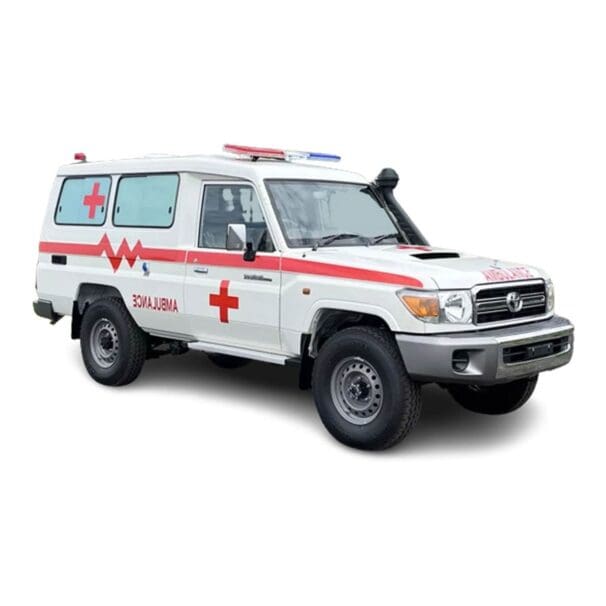
HealthProviders DB is a comprehensive database of healthcare providers, including a complete directory of all Land Ambulances.
Ambulance Healthcare Taxonomy Code 3416L0300X
As of today, the following are the total number of Land Ambulances nationally, in your State, and near your location.
Select a State below to view the list by State. Additionally, you can narrow the list by city, among other options, from the Filter Panel, which you can open by clicking the vertical ellipses ⋮ in the upper right corner of the app.
Alaska – Alabama – Armed Forces Pacific – Arkansas – American Samoa – Arizona – California – Colorado – Connecticut – District of Columbia – Delaware – Florida – Federated States of Micronesia – Georgia – Guam – Hawaii – Iowa – Idaho – Illinois – Indiana – Kansas – Kentucky – Louisiana – Massachusetts – Maryland – Maine – Marshall Islands – Michigan – Minnesota – Missouri – Northern Mariana Islands – Mississippi – Montana – North Carolina – North Dakota – Nebraska – New Hampshire – New Jersey – New Mexico – Nevada – New York – Ohio – Oklahoma – Oregon – Pennsylvania – Puerto Rico – Palau – Rhode Island – South Carolina – South Dakota – Tennessee – Texas – Utah – Virginia – Virgin Islands – Vermont – Washington – Wisconsin – West Virginia – Wyoming
Medicare
The following are the total number of Land Ambulances that accept Medicare in your State, the number that have opted out of Medicare, and the total number excluded from participation in Medicare nationwide.
The diagram below shows all the Land Ambulances across the country, represented by blue bubbles. The larger the bubble, the greater the concentration of providers in that area. Red bubbles represent Medicare-excluded providers, with the larger bubbles indicating a higher percentage of excluded providers in that region. You can change the bubble size to be based on exclusions from the Size menu.
What do Land Ambulances do?
Land ambulances transport sick or injured people using ground vehicles, providing emergency and non-emergency medical care with trained personnel and medical equipment, from the scene to a hospital or other facility.
They also handle non-transportation services, such as treating and releasing patients at the scene and transferring patients between medical facilities.
Respond to Various Needs: They respond to a wide range of medical situations, from minor incidents to severe trauma, and can also be involved in situations involving death.
Transport Patients: The primary function is to transport patients who need medical attention to a hospital or other care facility. This can be used for both emergency situations and planned non-emergency transfers.
Provide Medical Care: Ambulances are equipped with medical supplies and equipment to provide care during transport. This can include basic life support or advanced, intensive care unit (ICU) level care.
Staffed by Professionals: Trained medical professionals, such as emergency medical technicians (EMTs) and paramedics, staff ambulances to administer care and monitor the patient’s condition.
Offer Various Services: Beyond transport, they can also offer services like:
Treat and Release: Treating a patient at the scene without needing to go to a hospital.
Interfacility Transfers: The process of moving patients between different medical facilities, such as a hospital to a specialized unit or another hospital.
Coordinate with Other Services: Land ambulance services often coordinate with other parts of the healthcare system, including air ambulances and other emergency responders.