
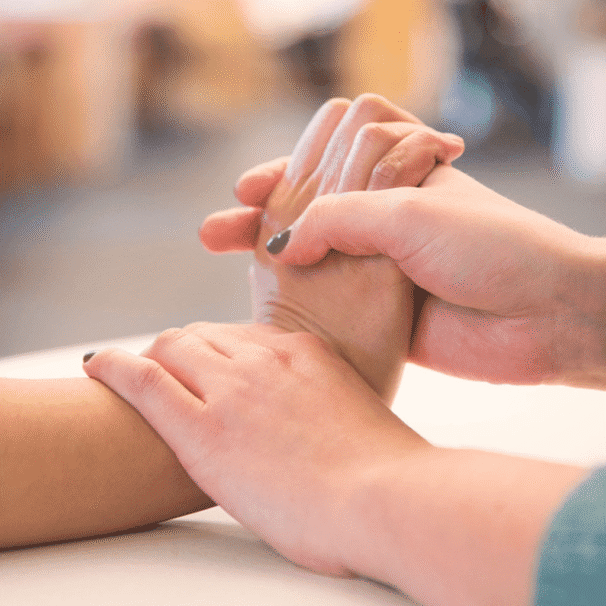
HealthProviders DB is a comprehensive database of healthcare providers, including a complete directory of all Hand Occupational Therapists.
Occupational Therapist Healthcare Taxonomy Code 225XH1200X
As of today, the following are the total number of Hand Occupational Therapists nationally, in your State, and near your location.
Select a State below to view the list by State. Additionally, you can narrow the list by city, among other options, from the Filter Panel, which you can open by clicking the vertical ellipses ⋮ in the upper right corner of the app.
Alaska – Alabama – Armed Forces Pacific – Arkansas – American Samoa – Arizona – California – Colorado – Connecticut – District of Columbia – Delaware – Florida – Federated States of Micronesia – Georgia – Guam – Hawaii – Iowa – Idaho – Illinois – Indiana – Kansas – Kentucky – Louisiana – Massachusetts – Maryland – Maine – Marshall Islands – Michigan – Minnesota – Missouri – Northern Mariana Islands – Mississippi – Montana – North Carolina – North Dakota – Nebraska – New Hampshire – New Jersey – New Mexico – Nevada – New York – Ohio – Oklahoma – Oregon – Pennsylvania – Puerto Rico – Palau – Rhode Island – South Carolina – South Dakota – Tennessee – Texas – Utah – Virginia – Virgin Islands – Vermont – Washington – Wisconsin – West Virginia – Wyoming
Medicare & Medicaid Exclusions
The following are the total number of Hand Occupational Therapists who accept Medicare in your State, the number who have opted out of Medicare, and the total number excluded from participation in Medicare nationwide.
The diagram below shows all the Hand Occupational Therapists across the country, represented by blue bubbles. The larger the bubble, the greater the concentration of providers in that area. Red bubbles represent Medicare-excluded providers, with the larger bubbles indicating a higher percentage of excluded providers in that region. You can change the bubble size to be based on exclusions from the Size menu.
What do Hand Occupational Therapists do?
Hand occupational therapists, also known as certified hand therapists (CHTs), rehabilitate injuries and conditions of the hand and upper limb to restore function, reduce pain, and improve daily life.
They use a variety of treatments, including customized orthotics (splints), exercise programs, pain and swelling management, and scar care, to help patients regain strength and movement for everyday tasks such as writing, typing, and sports.
They also provide training for healthier work habits and consult with industrial settings.
What they do
Assess and diagnose: They evaluate a patient’s condition to identify impairments such as decreased range of motion, muscle strength, or pain.
Develop treatment plans: They create personalized rehabilitation programs that combine techniques and therapies.
Fabricate orthotics: They create custom splints and orthoses to support, protect, or immobilize an injured area, or to improve function and prevent stiffness.
Manage pain and swelling: They use various methods to control physical symptoms and help patients manage their pain.
Provide exercises and activities: They guide patients through specific exercises to improve strength, range of motion, and motor skills.
Treat wounds and scars: They provide care for wounds and manage scarring to improve outcomes and prevent issues.
Assist with daily tasks: They help patients perform activities such as writing, cooking, or dressing more easily, often with adaptive equipment.
Provide education and training: They educate patients on their condition and how to manage it at home, including teaching them home exercise programs. They may also train employees on proper ergonomics and healthy work habits.
Coordinate care: They often work closely with physicians and other healthcare professionals to ensure a continuum of care.
Conditions treated
Hand therapists treat a wide variety of conditions, including:
- Fractures and dislocations
- Tendon and ligament injuries
- Nerve disorders like carpal tunnel syndrome
- Arthritis
- Burns
- Crush injuries
- Sports-related injuries
- Amputations and replanted extremities
- Post-surgical rehabilitation