
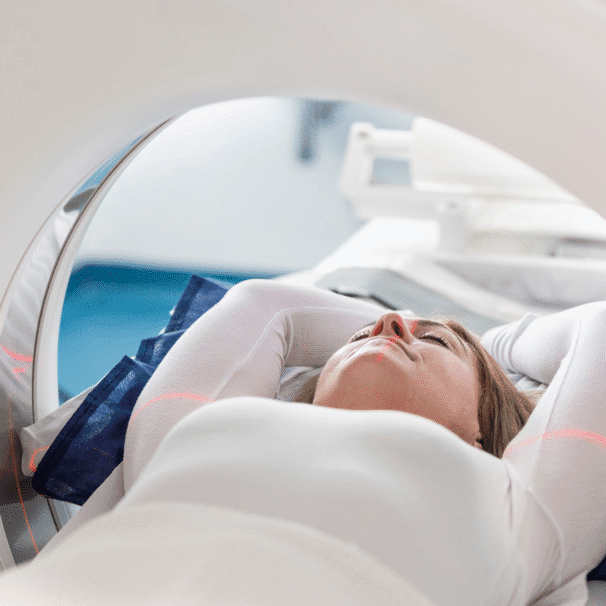
HealthProviders DB is a comprehensive database of healthcare providers, including a complete directory of all Nuclear Imaging & Therapy Physicians.
Nuclear Medicine Healthcare Taxonomy Code 207UN0902X
As of today, the following are the total number of Nuclear Imaging & Therapy Physicians nationally, in your State, and near your location.
Select a State below to view the list by State. Additionally, you can narrow the list by city, among other options, from the Filter Panel, which you can open by clicking the vertical ellipses ⋮ in the upper right corner of the app.
Alaska – Alabama – Armed Forces Pacific – Arkansas – American Samoa – Arizona – California – Colorado – Connecticut – District of Columbia – Delaware – Florida – Federated States of Micronesia – Georgia – Guam – Hawaii – Iowa – Idaho – Illinois – Indiana – Kansas – Kentucky – Louisiana – Massachusetts – Maryland – Maine – Marshall Islands – Michigan – Minnesota – Missouri – Northern Mariana Islands – Mississippi – Montana – North Carolina – North Dakota – Nebraska – New Hampshire – New Jersey – New Mexico – Nevada – New York – Ohio – Oklahoma – Oregon – Pennsylvania – Puerto Rico – Palau – Rhode Island – South Carolina – South Dakota – Tennessee – Texas – Utah – Virginia – Virgin Islands – Vermont – Washington – Wisconsin – West Virginia – Wyoming
Medicare & Medicaid Exclusions
The following are the total number of Nuclear Imaging & Therapy Physicians who accept Medicare in your State, the number who have opted out of Medicare, and the total number excluded from participation in Medicare nationwide.
The diagram below shows all the Nuclear Imaging & Therapy Physicians across the country, represented by blue bubbles. The larger the bubble, the greater the concentration of providers in that area. Red bubbles represent Medicare-excluded providers, with the larger bubbles indicating a higher percentage of excluded providers in that region. You can change the bubble size to be based on exclusions from the Size menu.
What do Nuclear Imaging & Therapy Physicians do?
Nuclear medicine and therapy physicians use radioactive tracers to diagnose and treat diseases by producing images of organs and tissues or by targeting and destroying diseased cells.
They are medical doctors with specialized training in using these radioactive materials to evaluate and manage a wide range of conditions, including cancer, heart disease, and thyroid problems.
Diagnostic roles
Imaging: They use techniques such as scintigraphy to visualize organ function, helping diagnose conditions that might not be apparent with other imaging methods.
Condition detection: Scans can help identify diseases in their early stages by revealing how well organs and tissues are functioning or by pinpointing issues such as tumors, infections, or blockages.
Organ evaluation: This includes assessing kidney function, lung blood flow, heart function, and the gallbladder.
Therapeutic roles
Targeted treatment: They use radiopharmaceuticals to deliver radiation directly to diseased cells, such as cancerous cells, to destroy them.
Disease management: They treat conditions like hyperthyroidism, thyroid cancer, and certain types of cancer that have spread to the bones.
Theranostics: This approach combines diagnostic imaging and therapy to target and treat specific diseases, often using the same radiopharmaceutical for both diagnostic and therapeutic purposes.
How they work
Therapy delivery: In therapeutic uses, the radiopharmaceutical is designed to bind to specific cells, delivering a high dose of radiation to destroy them while minimizing damage to surrounding healthy tissue.
Radiopharmaceuticals: A small amount of radioactive material is administered to the patient, typically through injection, but sometimes orally or by inhalation.
Image capture: Radioactive tracers accumulate in specific organs or tissues, and a specialized camera detects the emitted radiation to produce an image showing the body’s activity at a molecular level.